
Blog / Engineering guide
Checklist for replacing an RO or NF membrane element
Plan RO or NF replacement using vessel compatibility, current water chemistry, projections, installation records and acceptance measurements.
HOSON WATER editorial · 8 min read
Published · Updated
Define the problem the replacement must solve
Order replacement RO or NF elements after confirming the required duty, the existing vessel interfaces and the cause of the present limitation. Matching a nominal diameter and length is only one part of replacement selection. The offered membrane must also work within the available pressure, array arrangement, feed chemistry and product-quality requirements. Set the acceptance basis before agreeing the order.
Write down the replacement trigger. It may be a confirmed loss of useful output, a quality problem, mechanical damage or a planned change in the water source. Check the operating evidence behind that decision. If an upstream oxidant exposure, leak or instrument fault caused the symptom, a new set of elements needs a corrected operating condition to perform as intended. Include the corrective action in the replacement scope.
Identify the installed equipment precisely
Collect element model numbers, serial numbers, vessel make and model, installed element count and the array drawing. Record vessel positions by train and stage. Obtain available installation and maintenance records, including previous mixed-element arrangements. Photograph labels and interfaces where access is safe. A purchase record from the original plant may no longer describe what is currently installed.
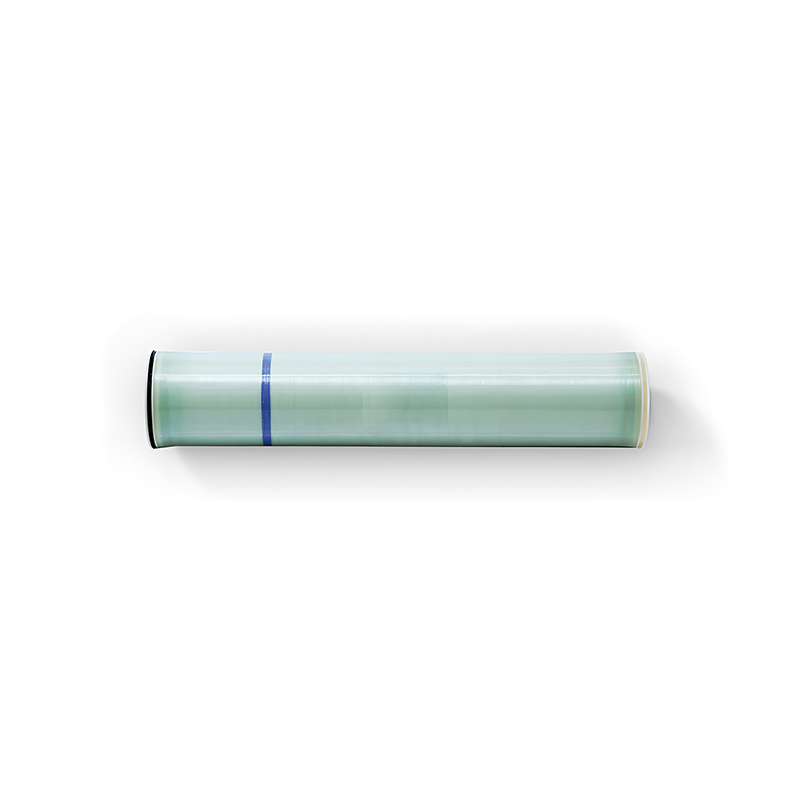
Distinguish membrane-element dimensions from vessel dimensions and identify the accepted tolerance for every interface. Record permeate-tube connections, end adapters, interconnectors, brine seals, thrust components and loading direction. Request a written compatibility check for the actual vessel revision. Include the replacement seals and adapters in the bill of materials so the installer has the correct complete assembly when the outage begins.
Check the space needed to remove and load elements
Measure the service route with nearby pipework, cable trays and guards in their installed positions. Record the distance required to extract an element, access to vessel closures and the path for moving old and new equipment. Review the need for temporary removal of adjacent items with the responsible engineer. The outage plan should include those activities and their reinstatement.
Confirm the handling method and any tools specified by the vessel and element manufacturers. Protect clean components from contamination and damage during staging. Plan where removed elements will be identified and placed for inspection. Record any lifting or access restrictions in the work package. A correctly sized replacement can still cause an extended shutdown if the site has not provided a workable maintenance envelope.
Recheck the feed instead of copying the original design
Use current laboratory results and the expected operating range for the remaining service life. Record temperature, pH, conductivity, major ions, alkalinity and relevant pretreatment conditions. Note source blending, production changes and any new chemicals. Compare these conditions with the original basis and identify which changes matter to membrane selection.
Ask for a projection at the actual required permeate quality and net production. Include the cold and other limiting design cases justified by the site. If analytical results are incomplete, specify the missing tests before treating the projection as a final design. A new element family can change pressure demand, concentrate composition and the distribution of flux through the train, even when its external dimensions fit.
Compare the projection with the whole hydraulic system
Review required feed pressure against the pump curve, control range, motor and pressure ratings of the installed equipment. Check permeate backpressure and the concentrate-control arrangement. Identify whether the new design changes the permitted flow through individual vessels or elements. The process designer should evaluate the complete array rather than multiply an isolated catalog output by the number of elements.
Keep the available net production and product composition visible across the operating cases. Where the proposal changes recovery, review scaling, pretreatment dosing, concentrate handling and the consequences for upstream feed demand. Ask the supplier to identify assumptions that require a site modification. Cost those modifications with the replacement order so procurement can compare the installed options on a consistent basis.
Review any plan to mix new and retained elements
Partial replacement can be useful when justified by the condition of the retained elements and the process design. Provide their operating history, age, known positions and measured performance. Request an arrangement that accounts for their behavior alongside the proposed new elements. Do not assign retained elements a fresh catalog performance merely to complete the model.
Identify which old elements will move, which positions receive new ones and how each item will be tracked. Ask the designer to explain the expected pressure and quality effects at the proposed duty. If retained elements are suspect, arrange appropriate testing or inspection before relying on them. A documented loading map makes both installation and later diagnosis easier when the plant contains several models or service histories.
Specify chemical and operating compatibility
Review the permitted feed, cleaning and preservation conditions for the exact offered element. Include pH and temperature together where the limits are interdependent. Identify oxidants, process chemicals and cleaning residues that could reach the membrane. Confirm compatibility of seals and other wetted parts as part of the same review.
Use model-specific manufacturer instructions for startup, cleaning and preservation. An NF element and an RO element may require different performance expectations, even within a similar physical package. HOSON's public catalog separates LRSW, LRLP and LNDM families. Use those families to start the discussion, then obtain the current offered-model documentation. Where a catalog entry is ambiguous, resolve it in the order's technical attachment.
Make the purchase specification inspectable
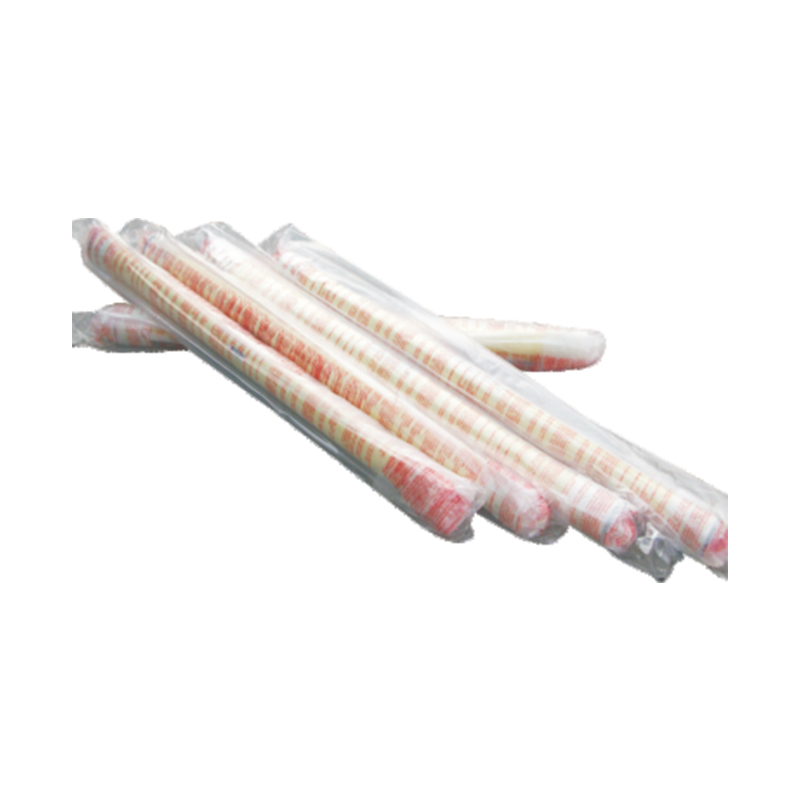
List model, quantity, applicable data-sheet revision, required accessories and the accepted technical exceptions. Include packaging, storage conditions, shelf-life or preservation information supplied by the manufacturer. Request the identification documents needed to connect delivered items to the order. Agree what the buyer will inspect at receipt and how a discrepancy will be reported.
Keep performance requirements attached to their test conditions and system boundary. If a seller proposes an alternative model, require the same compatibility and projection review used for the original choice. Record the approved substitution explicitly. Include the installation instructions, preservation details and warranty terms actually offered. These documents let receiving staff and installers verify the delivery without relying on a verbal explanation from procurement.
Prepare an outage with clear release conditions
Assign responsibility for shutdown, isolation, depressurization, drainage, access and return to service under the site's procedures. Confirm that product-water demand can be covered during the work and the approved restart period. Arrange the people, instruments, consumables and documents before the train is released for maintenance.
Provide an inspection point after unloading and before new loading. Record unusual deposits, damaged seals or displaced components and decide whether further investigation is needed. Keep vessel internals protected while work proceeds. Establish the conditions for stopping the job if a vessel or interface is unsuitable. This prevents the schedule from pushing an unresolved equipment issue into the new assembly.
Keep an element-position record during installation
Record the model, serial or lot identification and final position of every installed element. Note seal and adapter changes and the required inspection results. Use the manufacturer's approved installation method and the site's quality controls. Photograph accessible identification details when useful for the maintenance record, without compromising cleanliness or safe working.
Update the loading map immediately when the approved plan changes. Retain a copy at the plant and in the equipment records. The record is useful when a later vessel sample indicates an unusual reading or a supplier asks which element occupies a particular position. It also avoids uncertainty when a future partial replacement contains elements from different deliveries.
Use receipt inspection to protect the outage schedule
Check the delivered count and identification before the scheduled shutdown. Compare the packaging condition and included accessories with the order, then follow the supplied storage instructions until installation. If a label or document conflicts with the approved model, resolve that discrepancy while the existing train remains available. Keep the receiving record linked to the element lot.
Separate procurement acceptance from process acceptance. A correct and undamaged delivery allows the installation plan to proceed, while operating suitability is evaluated during the agreed commissioning test. Assign people to both checks and provide access to their respective documents. This keeps an incomplete delivery from becoming a hurried on-site substitution and gives the commissioning team a clear record of exactly what was installed.
Agree startup and initial product handling
Follow the element and system manufacturers' approved startup sequence. Define flushing, initial product diversion, pressure ramping and the stabilization period needed before performance measurements. Identify the destination for flushing and preservation waste and any applicable site restrictions. Operators should know when the plant may move from maintenance status to production.
Verify instrument scaling, valve positions and protection functions after reinstatement. Collect feed and product samples at the agreed locations. If laboratory results determine release, maintain the approved handling arrangement until the required results are available. Record the actual operating conditions with the test data. This creates a useful baseline and distinguishes startup effects from a persistent quality or production issue.
Accept the replacement against the agreed duty
Measure permeate and concentrate flow, feed temperature, relevant pressures and water-quality parameters over a stable defined period. Compare the result with the acceptance basis and the actual feed condition. Use any agreed normalization method transparently, retaining the measured values and calculation assumptions. Include constituent-specific analysis where conductivity alone cannot verify the end-use requirement.
Document exceptions and assign responsibility for follow-up and retesting. If a new operating setpoint becomes the approved basis, update the controlled operating document and trend baseline. Check that the maintenance team has received the final model sheets, loading map and cleaning limits. The accepted installation should be identifiable and supportable after the purchasing and commissioning teams leave the site.
Build the inquiry around decisions still needing evidence
Send HOSON the installed element and vessel information, current laboratory analysis, operating trends and required production quality. Include photographs or drawings of the interfaces and maintenance space where available. Describe whether the proposal concerns a full replacement, partial replacement or change in process duty. Ask for an offered-model sheet, array projection and accessory list.
Use the product links to compare the relevant RO and NF families. Keep unresolved facts visible in the technical correspondence, such as a missing feed constituent or an unknown adapter dimension. Request the specific observation or test needed to close each item. A complete inquiry helps turn a replacement quotation into an executable outage plan with measurable release and acceptance conditions.