
Blog / Engineering guide
When to specify RO or NF for process water
Choose RO or NF using ion-specific product limits, feed-water analysis, recovery, concentrate constraints and a practical acceptance test.
HOSON WATER editorial · 8 min read
Published · Updated
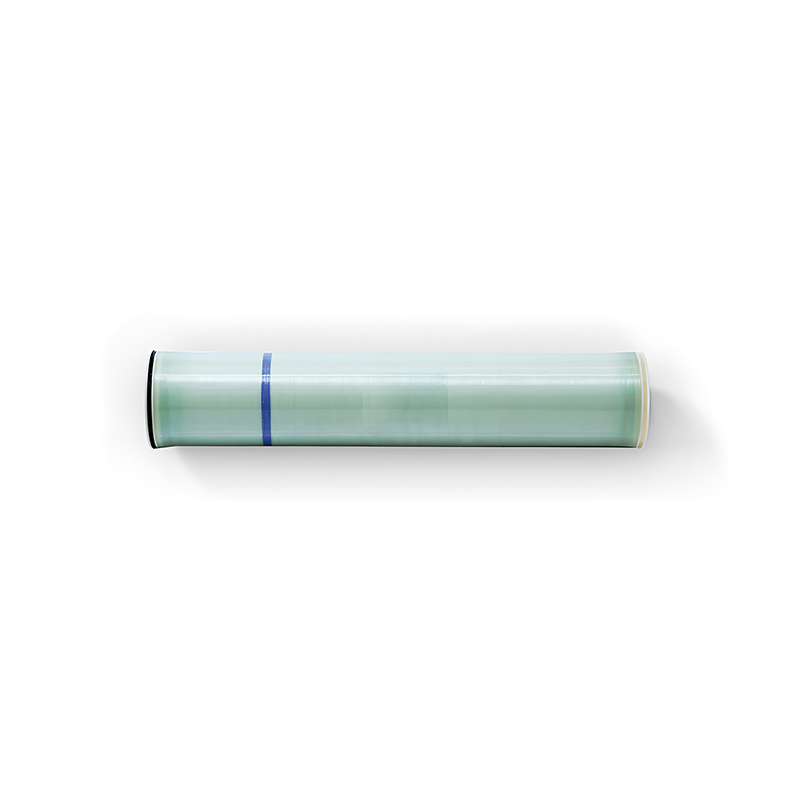
Start with the required water composition
Specify reverse osmosis when the process requires broad reduction of dissolved salts and the selected element can meet the individual product-water limits. Evaluate nanofiltration when the duty centers on selective separation, such as reducing hardness while allowing more passage of some monovalent ions. The decision depends on the complete feed analysis, the membrane model and the recovery. A technology name alone cannot predict the composition arriving at the production line.
Begin with the user of the water. Ask production, quality and maintenance teams which constituents affect yield, deposits, corrosion or product formulation. Record a limit and a sampling location for every critical constituent. Separate mandatory limits from desirable reductions. A procurement brief that requests low TDS but omits chloride, silica or hardness can produce a technically plausible quotation that misses the actual operating problem. Agree these requirements before comparing pumps, membrane quantities or prices.
Translate process concerns into measurable limits
Hardness, alkalinity, conductivity and individual dissolved ions describe different properties. State units explicitly, particularly when laboratories report hardness or alkalinity as calcium carbonate equivalents. Include the analytical method and any reporting limit relevant to a tight product specification. If the application requires specific microbiological quality or controls on an organic compound, assign a separate treatment and verification basis for that requirement.
For a hypothetical rinse-water project, one department might specify a conductivity ceiling while another identifies chloride as the corrosion concern. Both requirements belong in the request. If an NF projection satisfies hardness but allows excessive chloride passage, meeting the softening objective would leave the rinse-water requirement unresolved. Conversely, buying additional desalination without an end-use reason may increase downstream adjustment and cost. Ask each bidder to identify which measured requirement determines the proposed process.
Collect a feed analysis that represents the operating year
Send the designer the complete available ion analysis, pH, temperature, conductivity, alkalinity and information about suspended or organic contamination. Identify the sampling date, source and operating condition. A laboratory sample from a storage tank may differ from the membrane feed after chemical dosing. Mark the exact intended membrane inlet on the process drawing and distinguish raw-water data from conditioned-feed data.
Describe seasonal blending, well changes, intermittent industrial discharges and any period when the source becomes more saline. Minimum temperature can constrain useful production, while other operating cases may constrain quality or scaling. Use several justified design cases when one sample cannot represent the year. If the laboratory balance or an unusual result is questionable, resolve it with the laboratory before asking suppliers to make detailed projections around it.
Read a membrane rating together with its test conditions
An element data sheet describes performance under stated test conditions. Feed solute, concentration, pressure, temperature and element recovery all matter when interpreting the figure. A salt-rejection percentage measured with one test solution does not supply a rejection guarantee for every ion in a mixed process stream. Keep the model name, data-sheet revision and test basis beside any comparison value.
The HOSON catalog distinguishes seawater RO, low-pressure RO and nanofiltration families. Its LNDM page also asks buyers to confirm the current technical manual because some model entries repeat with different values. For project selection, request a configuration-specific sheet and projection. A useful bid comparison shows the end-use product composition under the agreed site conditions. Avoid ranking offers by isolated maximum flow or rejection figures taken from different catalog tests.
Compare alternatives on a shared process boundary
Issue one design basis to all bidders. State the same feed cases, net production, daily operating window, product specifications and cleaning assumptions. Define whether production is measured at the membrane outlet, after polishing or after a storage and distribution stage. Allow suppliers to explain alternative processes while requiring their calculations to address those same conditions.
Ask for the element arrangement, number of operating and reserve trains, projected pressures, recovery and major interfaces. The comparison should also identify pretreatment, dosing, flushing, cleaning and post-treatment scope. A smaller membrane skid may need additional upstream equipment or a larger holding tank. Include those requirements in the technical review before translating the quoted skid price into a project cost. Record exclusions as specific equipment or work packages with an assigned owner.
Use recovery to examine the concentrate burden
Recovery is permeate flow divided by membrane feed flow over the same operating period. In a hypothetical membrane train receiving 20 cubic meters per hour and producing 15, recovery is 75 percent and concentrate flow is five cubic meters per hour. This simple balance supplies an initial flow check. It does not establish a safe operating recovery or the detailed chemistry of either outlet.
For RO and especially selective NF, request constituent-level concentrate results from the design model. Rejected and more readily passing constituents behave differently. Examine the proposed concentrate route, its flow limits and the receiving process requirements. Include flushing and cleaning waste separately. When a discharge constraint changes, return that constraint to the process designer. Raising recovery to reduce a disposal volume requires a fresh review of membrane operating limits and concentration effects.
Select pretreatment around the actual feed risks
RO and NF equipment needs an inlet condition compatible with the chosen membrane and array. Describe solids, colloids, biological activity, oxidants and scale-forming constituents at the membrane inlet. Ask the designer to justify each proposed pretreatment step using that information. Where UF is included, define its filtrate-quality handoff, backwash interruptions and buffer-tank duty.
Chemical compatibility also needs a model-specific review. Record disinfectants, cleaning residues, antiscalants and pH adjustment that can reach the elements. Obtain applicable exposure limits from the manufacturer and define how the plant detects an excursion. An operating claim for one specialty membrane family does not establish compatibility for another. Include reagent storage, sampling and verification in the design so the operator can check the inlet conditions assumed by the projection.
Check the complete energy and operating cost
Request an electrical estimate for the defined system boundary and each operating case. Include the production period and useful delivered volume used to calculate energy per cubic meter. Installed motor ratings help with electrical design but do not replace operating demand. Similarly, a low-pressure label gives no complete annual cost without the required feed, production and quality conditions.
Build a cost worksheet with electricity, source water, concentrate handling, cleaning, consumables, replacement elements and operator work. Keep assumptions visible, including operating hours and downtime. If an NF option requires downstream polishing or blending controls, include that equipment and its service cost. Evaluate the extra treatment against the actual product limits. This approach makes alternative designs comparable even when their process boundaries and capital allocations differ.
Use testing to resolve the uncertain separation
Consider laboratory or pilot work when the source composition is complex, a difficult constituent controls selection or projections lack a reliable basis. Define the question the test must answer. The plan should identify feed preparation, operating conditions, sampling, analytical methods and the minimum evidence needed to compare alternatives. Keep the test configuration documented so the results can inform a larger design.
For a selective NF application, examine relevant product and concentrate constituents across the intended recovery range. For broad desalination, examine the specific residual ions that matter to the process. Repeatability and representative feed conditions are essential. A successful short test demonstrates performance under its recorded conditions. Translating that result into year-round operation still requires an engineering review of variation, pretreatment, cleaning and the planned array.
Treat blending as a controlled operating mode
If the project proposes blending permeate with another water stream, define the other stream's variability and the component that controls the blend ratio. A conductivity target can be checked continuously, while some end-use constituents require separate analysis. Specify how the blend changes when source composition, membrane performance or demand changes. Include a response for a failed analyzer or a stream that becomes unavailable.
Use a hypothetical hardness target to test the operating logic with the designer. Calculate the blended value from actual stream compositions and flows, then check other required limits at the same ratio. Include the minimum flow at which the mixing arrangement remains representative. These checks prevent a successful nominal calculation from becoming an unclear operating procedure during low demand or an unplanned source change.
Review the delivered-water demand profile
Production equipment must support the site's demand profile and the storage available between production and use. Record hourly peaks, daily volume, maintenance periods and allowable interruptions. A continuous membrane output may serve an intermittent process through storage, but the storage volume and delivery pumps then form part of the design.
Ask suppliers to show how startup diversion, scheduled cleaning and one unavailable train affect useful water delivery. If a backup source is proposed, document its quality and connection procedure. Procurement can use these cases to compare an extra membrane train with additional storage or an alternative supply. The preferred arrangement depends on the site's actual continuity requirement and the owner of each operational responsibility.
Define acceptance at the point where water is used
Write the acceptance procedure before ordering. Specify the stabilization period, measurements, sampling locations and responsibility for laboratory analysis. State how feed conditions outside the agreed envelope will be handled. If the process has a tight ion limit, include that analysis explicitly rather than relying entirely on a conductivity conversion. Agree how product release will be controlled while results are pending.
Record inlet conditions, flow, pressure, temperature and dosing with each acceptance sample. Identify whether the result represents one train or a combined outlet. If the site blends streams, test the blending control as part of the delivery scope. Keep a clear disposition for deviations, including corrective action, responsible person and retest conditions. These records become the first operating baseline for later troubleshooting.
Send a selection package that an engineer can evaluate
Prepare the inquiry around the water and the decision. Include recent laboratory reports, source variability, net hourly and daily demand, operating schedule, product limits and concentrate constraints. Add an existing process diagram if equipment will be reused. Identify available power, space and the expected interfaces with upstream and downstream systems. Ask the supplier to list any assumptions that remain unresolved.
Use the HOSON LRSW, LRLP and LNDM product pages to identify the relevant family for discussion. Request the offered model sheet, site-condition projection, scope drawing and acceptance basis together. If two alternatives remain credible, ask what additional test or operating information would decide between them. Procurement can then compare documented suitability, installation requirements and operating cost with a clear record of why the selected membrane process fits the application.